From Overwhelmed to In Control: How Notification Settings Gave Me My Evenings Back
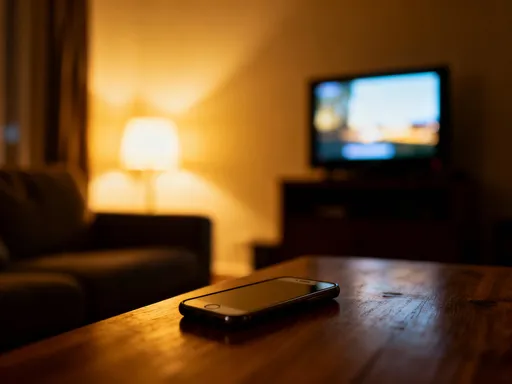
Remember when your phone was supposed to make life easier? Now it buzzes, pings, and demands attention all day—and into the night. I used to lie in bed, scrolling through work messages and random alerts, feeling more drained than ever. But everything changed when I finally took control of my notification settings. It wasn’t about deleting apps or going offline—it was smarter, simpler, and surprisingly powerful. That small shift didn’t just quiet my phone; it quieted my mind. For the first time in years, I felt present in my own home, in my own evenings, in my own life. And the best part? You can do it too—without giving up your phone or your peace.
The Breaking Point: When My Phone Stopped Helping and Started Hurting
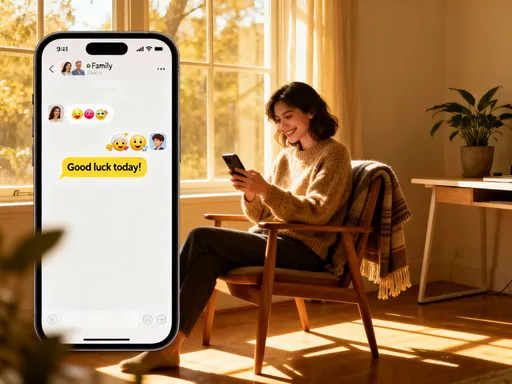
It wasn’t one dramatic moment—it was a slow erosion. I didn’t wake up one day and decide I hated my phone. It crept in. The constant buzz during dinner. The red badge on my email app that pulled my eyes away from my daughter’s bedtime story. The way I’d reach for my phone the second I sat down, even if I wasn’t expecting anything. I thought I was staying connected. But really, I was becoming disconnected—from my family, from my thoughts, from the quiet joy of just being still.
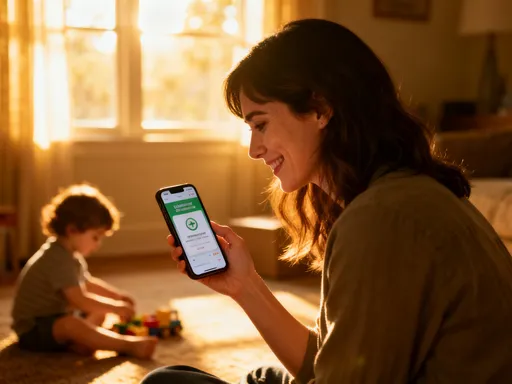
I remember one night clearly. My youngest was trying to tell me about her drawing—the sun with a smile, the rainbow with too many colors, the dog that looked more like a blob. And halfway through, my phone lit up. A work email. Not urgent. Not important. But I picked it up anyway. She paused. Her voice dropped. And when I looked back at her, she said, 'You’re not really listening, are you?' That hit me like a wave. I was there, but I wasn’t present. And it wasn’t the first time. I’d snap at my husband over something small, only to realize I’d been reading a stressful message minutes before. I’d wake up to three unread emails and feel anxious before my feet even hit the floor.
That’s when I realized: my phone wasn’t serving me anymore. It was running me. Notifications weren’t helping me stay on top of things—they were keeping me on edge. Every ping felt like a demand, a reminder that I was behind, that someone needed me, that I wasn’t doing enough. And the worst part? Most of it could wait. But my nervous system didn’t know that. It reacted to every alert like it was an emergency. Over time, I became more tired, more irritable, and less like myself. I didn’t want to live like that anymore. I wanted my evenings back. I wanted to feel calm. I wanted to be fully here when my kids talked to me. And that’s when I decided to take a closer look at my notification settings—not to punish myself, but to protect my peace.
What We Get Wrong About Notifications (And Why They Feel Impossible to Tame)
Here’s what I used to believe: if I turned off notifications, I’d miss something important. A family update. A school alert. A last-minute change in plans. I thought silence meant disconnection. So I left everything on, telling myself it was better to be safe than sorry. But the truth is, that mindset keeps us trapped in a cycle of digital noise. We’re not protecting our connections—we’re drowning them out.
The problem isn’t us. It’s the way apps are designed. Think about it: social media apps want you to open them. Messaging apps want you to reply fast. News apps want you to feel like you’re missing out. They use psychological tricks—bright colors, sounds, vibrations, even fake urgency—to grab your attention. A simple update becomes a ‘breaking news’ alert. A friend’s post becomes a ‘you’ve been tagged’ emergency. These aren’t neutral messages. They’re engineered to pull you in.
I like to think of notifications like uninvited guests at dinner. Imagine you’re sitting down with your family, trying to enjoy a meal, and someone keeps walking into your house, shouting things at you. ‘Did you see this?’ ‘You’ve got to check this out!’ ‘Someone just said something about you!’ You wouldn’t let that happen in real life. But on your phone? It happens all day long. And because we’ve trained ourselves to respond, we let it continue. We confuse loudness with importance. But just because a notification is loud doesn’t mean it’s urgent. In fact, most aren’t.
Once I understood that, everything changed. I realized I didn’t need to see every alert. I didn’t need to react to every buzz. I could choose what got through. And that choice wasn’t about cutting off the world—it was about creating space for the things that truly matter. I wasn’t rejecting technology. I was using it with intention. That shift in mindset—seeing notifications as choices, not commands—was the first step toward taking back control.
The Hidden Security Risk in Your Notification Preview
This was something I hadn’t even considered until it almost happened to me. I was at a café, waiting for a friend, and I set my phone down on the table while I went to grab a napkin. When I came back, I noticed someone had glanced at my screen. My phone was locked, but the notification preview was showing a message from my doctor’s office—something about a lab result. It didn’t have full details, but it was enough to make me freeze. What if someone had read that? What if it had been a banking alert? A personal message from a family member? A reminder about a medication?
Here’s the thing: most phones, by default, show notification content on the lock screen. That means anyone nearby—on the bus, in a waiting room, at a restaurant—can see parts of your private life just by glancing at your phone. It’s not just inconvenient. It’s a real privacy risk. And the worst part? We don’t even realize it’s happening because we’re so used to seeing our own notifications.
I started paying attention. At the grocery store, I saw a woman’s phone light up with a text that said, ‘I can’t believe you told her about the divorce.’ On the train, a man’s screen showed a credit card transaction alert. These weren’t people trying to hide anything. They just didn’t know their settings were exposing them. And I realized—I was no different.
So I changed my lock screen settings. Now, my phone shows only the app name—‘Messages’ or ‘Email’—but not the content. I also turned off previews entirely for certain apps like banking, health, and personal messaging. It takes two minutes to adjust, and the peace of mind is worth it. I no longer worry about leaving my phone face-up on a table. I don’t have to grab it the second it buzzes. I’ve created a small barrier between my private life and the outside world—and it’s made a big difference. Security isn’t just about passwords and updates. It’s about what you allow others to see, even by accident. And this simple fix lets me stay connected without feeling exposed.
How I Fixed My Phone in One Evening (And You Can Too)
I didn’t do anything extreme. No app deletions. No digital detox. Just one quiet evening with my phone and a cup of tea. I sat down and went through my notification settings app by app. It took about 20 minutes. That’s it. And the best part? I didn’t need to be a tech expert. Everything was right there in the settings menu—clear, simple, and easy to change.
First, I asked myself: which apps truly need to notify me? Work email? Yes—but only during work hours. Text messages from family? Absolutely. But do I need a sound, a pop-up, and a badge for every social media like? No. So I turned off notifications for Instagram, Facebook, and Twitter. Not forever. Just the sounds and banners. I can still check them when I want to—on my terms.
Then I set up ‘Do Not Disturb’ mode to start at 8 PM every night. During that time, only calls from my family and messages marked as urgent can break through. I even customized it so if my sister calls twice in three minutes, it comes through—just in case it’s important. My husband laughed when he saw it. ‘Wait, did you hear that?’ he asked one night. ‘No,’ I said, smiling. ‘Because my phone finally knows when to stay quiet.’
I also changed how alerts appear. Instead of banners that pop up on my screen, I switched many to ‘non-disruptive’ mode—just a small icon in the corner. That way, I see them when I check, but they don’t hijack my attention. And for apps like weather or news, I turned off notifications completely. I can check the forecast when I need to. I don’t need it shouting at me every time there’s a 10% chance of rain.
The whole process felt like decluttering a drawer I’d ignored for years. Once it was done, my phone felt lighter. Calmer. More like a tool and less like a taskmaster. And the best part? I didn’t lose anything. I didn’t miss important calls or messages. If anything, I became more responsive—because when I did check my phone, I could focus on what mattered without the noise.
The Unexpected Benefits: More Focus, Better Sleep, and Real Connections
I expected to feel less stressed. I didn’t expect to sleep better, think clearer, and enjoy my family more. But that’s exactly what happened. Within a week, I noticed I wasn’t reaching for my phone the second I got into bed. Instead, I read. Or talked to my husband. Or just lay there, quiet. And I fell asleep faster. My mind wasn’t racing with the day’s unanswered messages.
At work, I found I could focus for longer stretches. Without constant pings pulling me away, I finished tasks more quickly and with less frustration. I wasn’t losing my train of thought every few minutes. And during family time? Huge difference. I was actually listening. My kids noticed. ‘Mom, you’re not looking at your phone,’ my daughter said one night during storytime. ‘No,’ I said. ‘Because right now, this is what matters.’ And she smiled in a way that told me she felt it too.
The emotional shift was the biggest surprise. I didn’t just gain time—I gained presence. I felt more like myself. Calmer. More in control. Less reactive. I wasn’t walking around with that low hum of anxiety, waiting for the next alert. I started noticing small things again—the way the light comes through the trees in the morning, the sound of my son laughing in the other room, the quiet joy of a cup of tea without distractions.
And here’s something I didn’t expect: my family started doing the same. My husband adjusted his settings. We even had a little ‘phone talk’ with our kids about when it’s okay to use devices and when it’s time to put them away. We didn’t make it a rule. We made it a habit. A shared value. And that made all the difference. Technology didn’t pull us apart. It became something we managed together, with care and intention.
Making It Stick: Building Habits That Protect Your Peace
Change is easy to start. It’s harder to keep. That’s why I didn’t treat this as a one-time fix. I built in little habits to keep it going. Every month, I do a ‘phone check-in’—just 10 minutes to review my notifications. Did a new app sneak in a noisy alert? Did I start getting work messages after hours again? A quick scan keeps things in line.
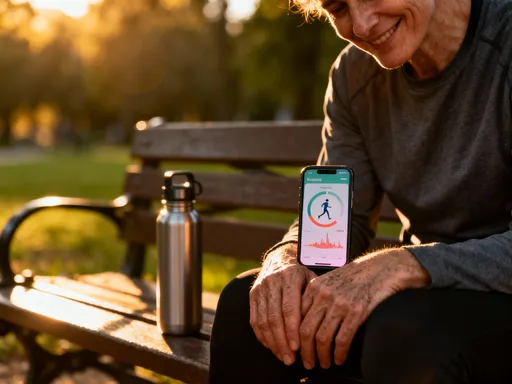
I also use my phone’s built-in digital wellbeing tools—not obsessively, but as gentle reminders. I check my screen time once a week. Not to shame myself, but to stay aware. If I see a spike in social media, I ask, ‘What’s going on? Am I stressed? Bored? Needing a break?’ It’s not about hitting a perfect number. It’s about staying connected to my habits.
And I involve my family. We have ‘unplugged’ evenings once a week—no phones at the table, no scrolling during dinner. We talk. We play games. We just *are*. It’s not strict. It’s not perfect. But it’s ours. And those nights have become something we look forward to.
The key is consistency, not perfection. Some days, I still pick up my phone too much. Some days, a work message slips through after hours. But now, I notice it. And when I do, I adjust. It’s not about never getting distracted. It’s about returning to what matters—quickly, gently, without guilt. And over time, those small returns add up to a calmer, more centered life.
Reclaiming Your Time and Attention—One Setting at a Time
Looking back, I realize how much I gave away—not just time, but peace, presence, and joy. I let tiny alerts chip away at my focus, my sleep, my relationships. And I thought it was just the price of staying connected. But it doesn’t have to be. You don’t have to choose between technology and tranquility. You can have both.
It starts with a simple truth: your phone should serve you, not the other way around. And that means making intentional choices—about what gets your attention, when, and how. You don’t need to delete everything. You don’t need to go offline. You just need to take back a little control.
When I changed my notification settings, I didn’t just silence my phone. I quieted my mind. I reclaimed my evenings. I became more present for the people I love. And I rediscovered the joy of stillness—the kind that doesn’t come from scrolling, but from simply being.
If you’re feeling overwhelmed, I want you to know: it’s not you. It’s the design. And you have the power to change it. Start small. Turn off one noisy app. Set a bedtime for your notifications. Hide your lock screen previews. Each choice is a step toward peace. Toward presence. Toward a life that feels more yours.
Because you deserve to feel calm. You deserve to be present. And you deserve to enjoy your evenings—without the buzz, the pings, and the pressure. Your phone can wait. Your life is happening now.