I never thought we’d stop arguing about vacation plans: How a travel app brought our family closer
Raising kids while planning a family trip often feels like trying to solve a puzzle with missing pieces. Between picky eaters, conflicting schedules, and endless "Are we there yet?" moments, even the most exciting getaway can turn stressful. I used to dread those evenings spent hunched over a laptop, scrolling through hotel options while my husband flipped between flight prices and my daughter whined about not wanting to go at all. My son just tuned out, already convinced it would be boring. We weren’t planning a vacation—we were surviving another round of family negotiations. But what if the same technology we use every day could actually help us connect more deeply with our children? This is the story of how one simple travel planning app didn’t just organize our itinerary—it transformed the way we travel together.
The Family Trip Tug-of-War: When Planning Feels Like a Battle
Let’s be honest—family vacations don’t always start with excitement. More often, they start with tension. I remember one night, just three weeks before our summer trip, when everything came to a head. I had spent hours researching kid-friendly resorts near the coast, carefully checking for pools, nearby parks, and restaurants with chicken nuggets on the menu (because, let’s face it, that’s half the battle). I presented my plan like it was a victory. "Look! We can do the aquarium one day, the beach the next, and there’s even a mini-golf course!" My daughter looked up from her coloring book and said, "I wanted to go to the mountains." My son, without looking up from his tablet, muttered, "I don’t care. It’s always the same." My heart sank. I had put so much effort into making it perfect, and yet, no one felt included.
That moment wasn’t really about the destination. It was about being heard. As parents, we often take on the role of the planner, the decision-maker, the one who holds the entire trip together. And yes, we have the experience, the budget awareness, the logistical sense. But in doing so, we sometimes forget that our children aren’t just passengers—they’re people with their own hopes, fears, and ideas. When we don’t involve them in the process, they don’t feel like part of the adventure. They feel like afterthoughts. And that’s when the eye-rolls start. The "I don’t wanna go" protests. The silent treatments. The last-minute meltdowns that derail everything.
I started to realize that our travel stress wasn’t just about time or money—it was about connection. We were planning a trip to spend quality time together, but the planning itself was driving us apart. Every decision felt like a power struggle. Should we drive or fly? Beach or city? Early mornings or lazy starts? Each choice became a negotiation, and after a while, even the idea of vacation felt exhausting. I began to wonder: Is it supposed to be this hard? Aren’t we doing this to enjoy each other’s company? Something had to change. I didn’t want another trip defined by compromise and resentment. I wanted one where everyone felt excited, included, and seen. That’s when I stumbled upon an idea that felt almost too simple to work—a shared travel planning app.
Enter the App: Not Just a Planner, But a Family Translator
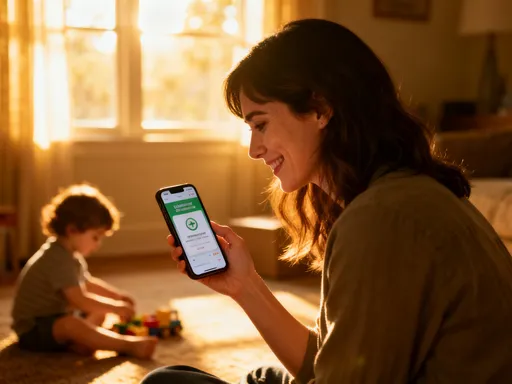
I won’t lie—I was skeptical at first. Another app? Really? We already had enough screen time battles at home. The last thing I wanted was to hand my kids another device and say, "Here, play with this." But this wasn’t about entertainment. It was about collaboration. The app I found wasn’t flashy or full of ads. It was clean, intuitive, and designed with families in mind. The moment I opened it, I noticed something different: it didn’t just let me add flights and hotels. It asked, "Who’s coming?" And then it created profiles for each of us—me, my husband, my daughter, my son. Each profile had space for preferences: favorite foods, must-see places, things they were nervous about. My daughter immediately wanted to customize her avatar. My son, usually indifferent, asked, "Can I pick what color mine is?" That small moment—letting them personalize their experience—was the first shift.
Then came the real game-changer: the idea board. Instead of me dictating the itinerary, the app let us all add ideas. We could drop pins on a map, upload photos of places we’d seen online, or even record short voice notes. "I want to see real sea turtles," my daughter said into her phone, her voice bright with excitement. She attached a video of a turtle sanctuary she’d watched in school. My son added a YouTube clip of a rope course in the forest. I looked at my husband, stunned. These were places I would have never thought of. And now, they weren’t just suggestions—they were part of the plan.
But the most powerful feature? The voting system. Every weekend, the app sent a gentle reminder: "Time to vote on next week’s activities!" We’d gather around the kitchen table with our phones, like it was a mini family meeting. "Should we do the nature trail or the indoor play center on Tuesday?" We’d each tap our choice, and the app tallied the results. No arguing. No "You never listen to me." Just a simple, fair process. I remember the first time we used it. My daughter won the vote for the butterfly garden. She didn’t gloat—she just smiled and said, "I can’t wait to tell my friends I helped pick it." That moment hit me hard. She didn’t feel overruled. She felt heard.
The app didn’t make decisions for us. It gave us a language we didn’t have before. It turned our chaotic, emotion-filled debates into structured, respectful conversations. And slowly, the tension started to lift. Planning wasn’t a chore anymore. It was something we did together. My husband said it best: "It’s like the app isn’t just organizing our trip—it’s translating how we talk to each other."
From Passive to Active: How the App Changed My Child’s Role
Before the app, my son was what I’d call a "silent traveler." He’d go along with everything, never complaining, never excited—just… there. I used to think that meant he was content. But one evening, as we were voting on rest stops for our road trip, he surprised me. "Can we stop at that place with the giant dinosaur statue?" he asked. I didn’t even know he’d noticed it. He showed me a photo he’d saved in the app. "There’s a museum inside, and they have fossils. I’ve been reading about them." I was stunned. Since when did he start reading about fossils?
Turns out, the app had sparked something in him. Because he could contribute, because his voice mattered, he started paying attention. He began researching kid-friendly museums, checking opening hours, even looking up fun facts to share with us. On our drive, he became the unofficial tour guide. "Next exit has a petting zoo," he’d announce. "And the one after that has ice cream with sprinkles shaped like stars." I realized he wasn’t just along for the ride anymore—he was part of the journey.
That shift wasn’t just about travel. It was about confidence. Giving him a role—real input, real responsibility—changed how he saw himself. He wasn’t just the quiet one. He was the planner, the researcher, the one who remembered to pack the binoculars "in case we see eagles." And you know what? We did. And he was the first to spot one.
The app’s interface was simple enough that he didn’t need my help to use it. He could drag and drop activities, add notes, even set reminders. "Don’t forget the beach towels," he typed one morning. I smiled. This wasn’t just about a vacation. It was about teaching him that his ideas matter, that his contributions are valuable. And the beautiful thing? It didn’t feel forced. It felt natural. He wasn’t doing it because I told him to. He was doing it because he wanted to be part of the team.
Shared Decisions, Stronger Bonds: The Power of Small Choices
One of the biggest lessons I’ve learned as a parent is that it’s not the grand gestures that build connection—it’s the small, everyday choices. And the app helped us turn dozens of tiny decisions into moments of bonding. Should we eat at the taco truck or the seafood grill? Which beach should we visit? Should we rent bikes or just walk?
Before, these would have been my calls. I’d decide based on convenience, budget, or what I thought the kids "should" like. But now, we voted. And something magical happened. My daughter started saying things like, "I know you really want the grilled cheese, Mom. I’ll vote for that even though I want pizza." My son began considering others’ preferences. "Dad’s tired," he said once. "Let’s pick the easy hike." These weren’t just travel choices. They were lessons in empathy, in compromise, in thinking beyond ourselves.
The app made it easy to see everyone’s preferences at a glance. A little bar chart showed how many votes each option got. It removed the emotional weight of saying "no"—because it wasn’t me rejecting an idea. It was the group decision. And when the kids lost a vote, they were disappointed, yes—but they didn’t feel dismissed. They understood the process. "Next time, it’ll be my turn," my daughter said once, shrugging. That kind of resilience? That’s priceless.
But beyond the fairness, there was joy. Real, genuine excitement. Instead of dragging them from place to place, we were moving toward things they had chosen. And that made all the difference. "This is the day I picked!" my son shouted as we walked into the planetarium. His pride wasn’t in the exhibit—it was in being part of the process. And in that moment, I realized: this wasn’t just a trip. It was a family project. And we were all invested.
Real-Time Adjustments: Staying Flexible Without Losing Control
No matter how carefully you plan, things change. A sudden rainstorm. A stomachache. A museum closing for cleaning. In the past, these moments would send me into full panic mode. I’d scramble to rearrange everything, muttering about wasted time and ruined schedules. And of course, the kids could feel my stress. "Why are you yelling?" my daughter asked once, tears in her eyes. "I didn’t close the museum!" I realized then that my need for control was making the trip harder, not easier.
The app changed that. Because our entire itinerary was digital, we could adjust it in seconds. Rain ruined the outdoor zoo visit? No problem. We opened the app, tapped "reschedule," and moved it to tomorrow. Then we voted on a new plan: a cozy bookstore with hot chocolate. The kids didn’t see it as a downgrade. They saw it as an adventure. "We’re being spontaneous!" my son declared, grinning.
Even better, the app let us assign daily planners. On our third day, it was my daughter’s turn. She rearranged the afternoon, swapped dinner, and even added a surprise stop at a flower shop to buy me a sunflower "because yellow is your favorite." I was speechless. She wasn’t just going along with the plan—she was leading it. And in that moment, I felt something I hadn’t in years: peace. I didn’t have to carry it all. We were sharing the load.
Flexibility became a family value. We learned to go with the flow, to find joy in the unexpected. When a ferry was delayed, we turned it into a scavenger hunt on the dock. When my son got tired early, we switched to a movie night instead of insisting on the night market. The app didn’t just help us change plans—it helped us change our mindset. Travel wasn’t about sticking to a schedule. It was about being together, no matter what.
Beyond the Trip: Skills That Lasted Long After We Came Home
When we got back from vacation, I expected life to return to normal. The suitcases were unpacked, the photos uploaded, the souvenirs put away. But something unexpected happened. My daughter started using the same planning mindset at home. She made a chart for her after-school activities, color-coded by day. "I’m using my planning skills," she said proudly. My son began suggesting weekend ideas: "Can we have a pancake breakfast and then go to the park? I’ll even help clean up!"
Then came the biggest surprise. One Friday night, my daughter said, "Let’s plan next weekend like we did the vacation!" We pulled out our phones, opened the app (yes, we kept using it), and voted on activities. We called it our "Family Fun Vote." It became a ritual. And slowly, I noticed changes. Fewer arguments about screen time. More offers to help with chores. More conversations about feelings. "I didn’t like it when you changed the plan without telling me," my son admitted one day. "But now I know I can just say something."
The app hadn’t just improved our vacation. It had taught us how to communicate. How to listen. How to make space for each other’s voices. These weren’t just travel skills. They were life skills. Planning, collaboration, empathy, adaptability—these are the tools our children will carry into school, friendships, and eventually, their own families.
I realized then that the best technology doesn’t replace human connection. It amplifies it. It gives us the structure to be more present, more patient, more together. And sometimes, it takes a simple tool to remind us of what we already have: a family that wants to connect, if only we give them the chance.
Why This Matters: Technology That Connects, Not Distracts
In a world where we’re constantly warned about screen time, about phones pulling us away from each other, this experience taught me something different. Technology isn’t the enemy. It’s how we use it. When we choose tools that encourage conversation instead of silence, that invite participation instead of passive scrolling, they can become bridges—not barriers.
This travel app didn’t do the work for us. It didn’t pick our destinations or book our tickets automatically. It simply created a space where all of us could show up. Where my daughter’s dream of seeing sea turtles mattered as much as my need for a coffee shop with Wi-Fi. Where my son’s interest in dinosaurs became a highlight of the trip. It reminded me that parenting isn’t about having all the answers. It’s about creating moments where everyone feels seen.
And that’s the real gift. Not a perfectly planned vacation. Not a stress-free week. But the feeling that we’re in this together. That our voices matter. That we’re not just sharing a trip—we’re building something deeper: understanding, respect, and love.
So if you’re dreading the next family trip, if you’re tired of the arguments and the eye-rolls, I’ll say this: try a different tool. Not one that does it all for you, but one that helps you do it together. Because sometimes, the simplest app can help us remember the most important thing—being present with the people we love. And that’s a journey worth taking, no matter where the road leads.