I used to hit snooze six times—now I start my day with one tap
Mornings used to be a battle—groggy eyes, forgotten tasks, and endless scrolling. But what if your phone could help you wake up not just alert, but aligned? I discovered how online communities quietly transformed my mornings: gentle nudges, shared routines, and real connection. It’s not about hustle—it’s about harmony. This is how technology, woven into daily rituals, made me feel more present, prepared, and peaceful. If you’ve ever felt like your day starts before you do, this is for you. You’re not behind. You’re just starting from a place that matters.
The Chaos of My Old Morning Routine
For years, my mornings looked the same: rushed, reactive, and disconnected. I’d wake up late, check social media mindlessly, and begin the day already behind. Coffee in hand, I’d scroll through endless feeds—seeing highlights from others’ lives while mine felt scattered. There was no rhythm, no intention. I wasn’t alone—many of us start the day reacting to notifications instead of leading with purpose. That changed when I stumbled upon a small online group focused on mindful mornings. It wasn’t flashy, but it was transformative. I remember the first time I saw a post that said, “Good morning. What’s one thing you’re looking forward to today?” It felt so simple, but it stopped me in my tracks. No one was selling anything. No one was trying to impress. They were just… present. And suddenly, I wanted to be too.
Before that moment, my phone was the enemy. It pulled me into chaos before my feet even hit the floor. Notifications buzzed like alarms, each one a demand on my attention. I’d open emails I wasn’t ready to answer, check messages I didn’t need to see, and compare my sleepy reality to someone else’s perfectly curated morning yoga pose. It wasn’t just unproductive—it was emotionally draining. I started each day feeling behind, overwhelmed, and strangely lonely. And the worst part? I thought this was normal. I believed everyone else had it together except me. But the truth was, so many of us were faking it. We were all just trying to survive the morning rush, juggling kids, chores, work, and our own quiet exhaustion.
What I didn’t realize then was that technology didn’t have to be the problem. It could actually be part of the solution—if used differently. That little online group didn’t ask me to change my whole life. It didn’t give me a 30-day challenge or a strict schedule. It just offered a space to begin. And that was enough. I didn’t need a complete overhaul. I needed one small, kind moment to shift my mindset. That’s when I started to see my phone not as a source of stress, but as a tool for connection. The same device that once scattered my focus could now help me gather myself. All it took was one different choice—one tap in a different direction.
Finding Connection Before Coffee
One morning, instead of opening a news app, I joined a five-minute voice chat in a wellness community. Hearing real people—no filters, no performances—share their intentions for the day shifted something in me. These weren’t influencers; they were teachers, parents, freelancers—just like me. The simplicity of saying “I’m here” out loud, even through a screen, created a sense of belonging. That tiny moment of connection replaced loneliness with warmth, and it became my new first habit. I’ll never forget the first time I spoke. My voice cracked a little. I said, “Hi, I’m just trying to show up today.” And someone responded, “That’s more than enough.” I nearly cried. Because in that moment, I felt seen. Not for what I did or achieved, but simply for being there.
That experience changed how I thought about online spaces. I used to believe that digital connection was shallow—that real relationships happened face to face. But what I found in that voice chat was real. It was raw, honest, and kind. No one was performing. No one was trying to look perfect. We were all just humans, starting our days the best we could. And in that shared vulnerability, there was strength. I began to look forward to those morning check-ins. They weren’t about productivity. They weren’t about fixing anything. They were about presence. About saying, “I’m here. You’re here. We’re in this together.” And that made all the difference.
What surprised me most was how quickly this small habit began to shape my entire day. Because I started with connection, I carried that feeling with me. I was more patient with my kids. I listened better in meetings. I even caught myself smiling more. It wasn’t because anything had changed in my external life—my schedule was still busy, my to-do list still long. But my internal state had shifted. I wasn’t starting from a place of lack. I was starting from a place of belonging. And that changed everything. Now, I don’t reach for my phone to escape the morning. I reach for it to connect. And that one choice—choosing connection over consumption—has made my mornings feel lighter, warmer, and more meaningful.
How Online Communities Nudge You Gently
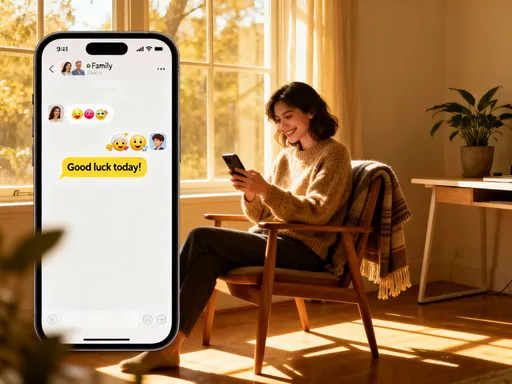
Unlike pushy productivity apps, these communities work through soft accountability. A simple “Good morning!” post or a shared sunrise photo isn’t demanding—but it invites participation. I started posting my own morning tea ritual, and the kind comments kept me consistent. The psychology is subtle: when others see you showing up, you’re more likely to keep going. It’s not about performance; it’s about showing up for yourself, with quiet support from people who get it. I remember the first week I posted every day. I didn’t do anything impressive—just a photo of my mug, a sentence about how I was feeling. But someone always responded. “Love that tea!” “Hope your day goes smoothly.” “Same energy here.” Those small acknowledgments mattered. They reminded me I wasn’t invisible. They reminded me that showing up, even in a small way, was worth something.
What makes this kind of digital nudge so powerful is that it’s not about pressure. It’s about encouragement. There’s no leaderboard. No streak counter. No guilt if you miss a day. The tone is always kind, always welcoming. And that makes it sustainable. I’ve tried apps that ding me when I don’t complete a task, and they only made me feel worse. But this? This felt like being part of something gentle and growing. It wasn’t about fixing myself. It was about being seen as I was. And that subtle difference changed how I related to technology. Instead of feeling judged by my devices, I began to feel supported by them.
Another thing I noticed was how these small interactions built momentum. At first, I only posted when I felt “ready” or “inspired.” But over time, I realized that the act of posting—even when I didn’t feel like it—was the point. It was practice. Like stretching in the morning, even when your body is stiff. The more I showed up, the easier it got. And the more I participated, the more I began to care about the community. I started reading others’ posts more closely. I began offering encouragement. And in giving support, I received even more in return. It became a cycle of care. And that’s when I understood: these online spaces don’t just hold us. We hold them too. We co-create the tone, the warmth, the safety. And that makes them feel like home.
Customizing Your Digital Morning Circle
Not all online spaces feel safe or helpful. I learned to choose communities that matched my energy—calm over chaotic, supportive over competitive. Whether it’s a private Facebook group, a Discord channel, or an app like Geneva or Circle, the key is intentionality. I now follow a 10-minute rule: if a space doesn’t leave me feeling calmer or more connected, I leave. Curating my digital morning circle became as important as choosing the right playlist or breakfast. I realized that not every group is for me. Some were too focused on productivity, making me feel guilty for not doing more. Others were too loud, with constant pings and debates that left me drained. But the ones that worked? They felt like a soft landing. A quiet corner of the internet where I could breathe.
I started paying attention to how I felt after scrolling. Did I feel inspired? Or anxious? Did I feel seen? Or compared? Those feelings became my guide. I unfollowed groups that made me feel “less than.” I muted channels that felt overwhelming. And I invested my time in spaces that felt like kind conversations with a good friend. One of my favorite communities is a small group on an app called Circle. We check in every morning with a simple prompt: “One word for how you’re feeling today.” That’s it. No essays. No pressure. Just a word. And somehow, that tiny act creates deep connection. When I see someone say “tired” or “hopeful” or “grateful,” I feel less alone. And when I share my own word, I feel heard.
Another thing I do is limit my time. I don’t wander into these spaces aimlessly. I go with purpose—usually for 10 to 15 minutes, right after I wake up. I’ve set a timer on my phone so I don’t get sucked into endless scrolling. This keeps the experience intentional and nourishing, not draining. I also avoid groups that promote extreme views or unrealistic expectations. I don’t need to be told I should be meditating for an hour or journaling 10 pages every morning. I need to feel like I’m enough as I am. So I look for communities that honor small steps, real feelings, and everyday life. They don’t promise transformation. They just offer presence. And that’s exactly what I need to start my day with peace.
From Passive Scrolling to Active Participation
The real shift happened when I stopped consuming and started contributing. Instead of just reading others’ posts, I began sharing my own small wins: “Drank water first thing,” “Wrote three things I’m grateful for.” Each post felt like a quiet commitment. Over time, my role changed—from observer to participant. That shift in behavior didn’t just change my mornings; it changed how I saw myself. I wasn’t just surviving—I was growing. There’s something powerful about putting your experience into words, even if it’s just a sentence. It makes it real. It makes it matter. And when others respond with kindness, it reinforces that your life is worth noticing.
I used to think that only big achievements were worth sharing. A promotion. A vacation. A major milestone. But what I’ve learned is that the small moments are the ones that build a life. Making the bed. Calling a friend. Taking a deep breath. These are the quiet victories that keep us going. And when I started naming them, I began to see them more clearly. I became more aware of my own resilience. I noticed the beauty in ordinary moments. And I felt more in control of my day, not because I was doing more, but because I was paying attention.
Participation also changed how I used my phone. Instead of mindlessly scrolling, I was now engaging with intention. My device became a tool for connection, not escape. I wasn’t just taking in content—I was adding to it. And that subtle shift made me feel more empowered. I wasn’t a passive consumer. I was an active participant in my own life. That sense of agency spilled over into other areas too. I started making small changes—waking up five minutes earlier, drinking more water, pausing before reacting to stress. None of these were revolutionary. But together, they created a new rhythm. And that rhythm felt like peace.
Blending Tech with Real-Life Rhythms
Technology works best when it serves life, not replaces it. I paired my online check-in with a real-world ritual: lighting a candle, brewing tea, then opening the app. The digital and physical blended seamlessly. The screen didn’t dominate—it supported. I set boundaries: no emails until after my community check-in, no news until noon. These small rules created space for peace. The tech didn’t control my morning—it protected it. I realized that the goal wasn’t to eliminate screens, but to use them in a way that honors my energy and intentions. So now, my phone is the second thing I reach for, not the first. The first is my breath. Then my candle. Then my tea. Then my community.
This sequence matters. It sets the tone. If I start with email or news, I immediately feel pulled into urgency. But if I start with stillness and connection, I carry that calm with me. I’ve even created a little morning playlist—soft piano music that plays while I light the candle and wait for the water to boil. It’s become a signal to my body and mind: this is a sacred time. No rush. No pressure. Just presence. And when I finally open the app, it feels like a natural extension of that ritual, not a disruption.
I’ve also turned off non-essential notifications. I don’t need a buzz every time someone likes a post or tags me in a photo. I check my community at the same time every morning, and that’s enough. This has reduced my anxiety and helped me stay focused. I’m not constantly reacting to pings. I’m choosing when and how to engage. And that makes all the difference. My phone is no longer a source of stress. It’s a tool for care. It reminds me of who I want to be—not who the world expects me to be. And that freedom has given me back my mornings.
Why This Small Change Had a Big Ripple Effect
Starting my day with connection didn’t just improve mornings—it improved everything. I was calmer with my family, more focused at work, and kinder to myself. What began as a simple tap in an app became a daily act of self-respect. Online communities, often seen as distractions, became anchors. They reminded me I’m not alone—and that even small, shared moments can build a more meaningful life. This isn’t about perfection. It’s about presence. And it all starts with one tap. I used to hit snooze six times because I wasn’t ready to face the day. Now, I wake up with curiosity. What will today bring? Who will I connect with? How will I show up? These questions don’t come from pressure. They come from care. And that’s the difference.
I’ve noticed changes in my relationships too. Because I start the day feeling seen, I’m more present with the people I love. I listen more. I react less. I’m more patient with my kids, more supportive with my partner, more generous with my time. It’s not because I have more time—I have the same 24 hours. But I have more presence. And presence is a gift. It’s the one thing we can give that truly matters. I’ve also become more forgiving of myself. On days when I feel tired or overwhelmed, I don’t beat myself up. I just say, “I’m here,” and that’s enough. The community doesn’t demand more. And neither do I.
What I love most is that this practice is completely personal. You don’t need a fancy app or a big following. You just need one small space where you feel safe to be you. It could be a group chat with friends, a private forum, or a quiet corner of an app. The form doesn’t matter. The feeling does. And when you find that feeling—warmth, belonging, peace—you’ll know you’ve found your digital home. This isn’t about escaping life. It’s about coming back to it. More awake. More aware. More alive. So if your mornings feel chaotic, I invite you to try one small change. Put down the news. Skip the email. Open a space where you feel seen. Say “I’m here.” And let that be your first act of the day. Because you matter. And your morning does too.